Author
William Ginn is a creative thinker and narrative architect whose work fuses historical events, mythological frameworks, and psychological tension into immersive alternate realities. His stories are designed not as isolated novels, but as interconnected worlds—built with the precision of long-form franchises and the emotional weight of lived history.
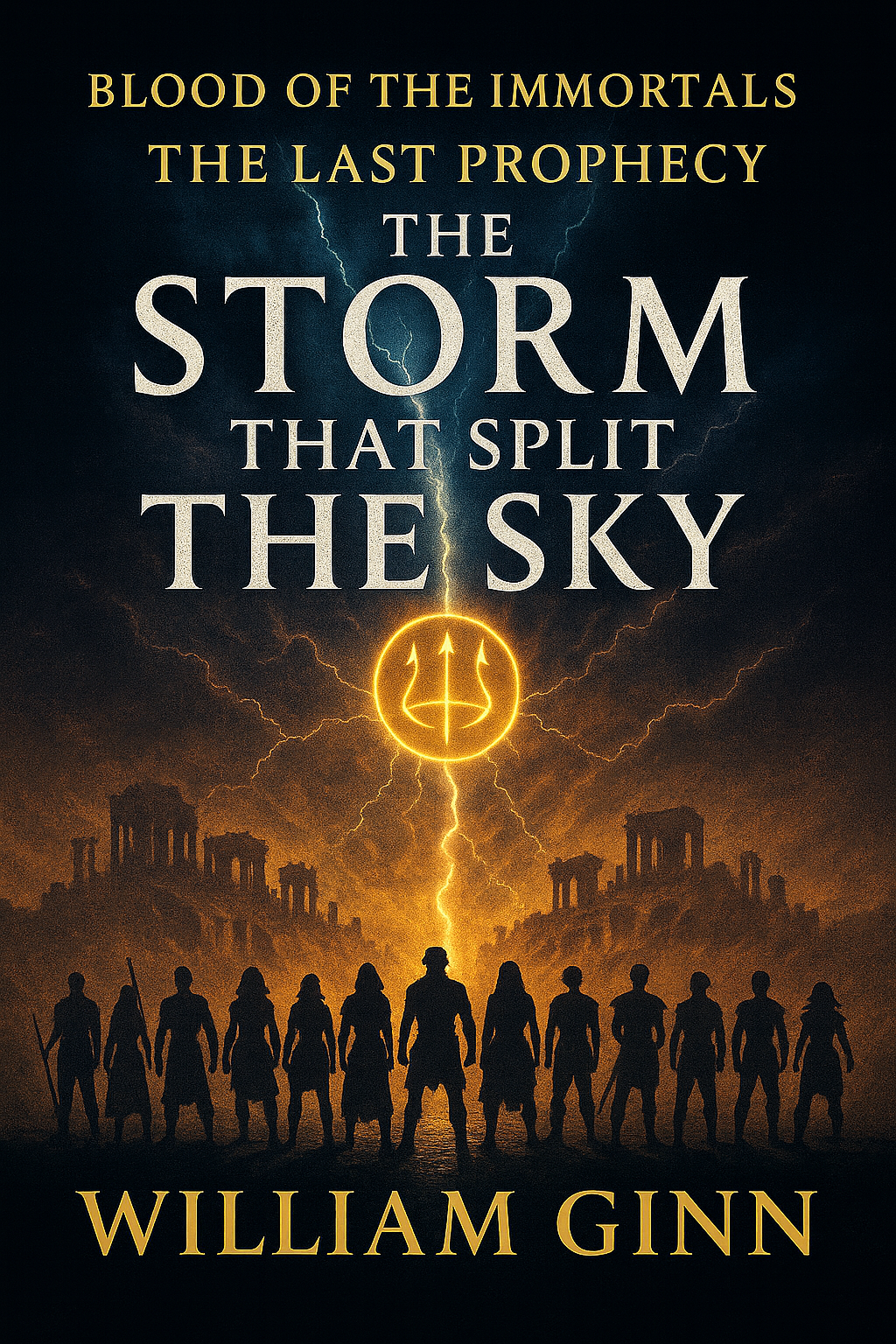
Best known for the mythic fantasy saga Blood of the Immortals: The Last Prophecy, Ginn reimagines ancient mythology through a modern lens, blending real-world locations, forgotten histories, and contemporary stakes into a globally grounded epic. His approach transforms legend into something tangible—where myth collides with the present and destiny is shaped by choice rather than inheritance alone.
In parallel, Ginn writes psychological horror under the banner From the Mind of William Ginn, where fear is not driven by spectacle but by language, memory, and belief. His horror work draws from documented historical events and cultural trauma—such as persecution, moral panic, and collective guilt—then reshapes them into narratives that destabilize certainty and challenge the reader’s sense of authorship, reality, and control.
Across genres, Ginn’s signature lies in his use of history as a narrative engine: real dates, places, and events are not backdrops, but fault lines—points where reality fractures and something new emerges. His work appeals to readers who seek cinematic scale, intellectual depth, and stories that linger long after the final page.
William Ginn writes with the conviction that stories are not escapes from reality—but alternate paths through it.
From the Mind of William Ginn
Standalone psychological horror novels where the threat is not always a creature—it is the act of believing, remembering,
and repeating. These stories don’t ask for your attention; they ask what you’re willing to put into words.
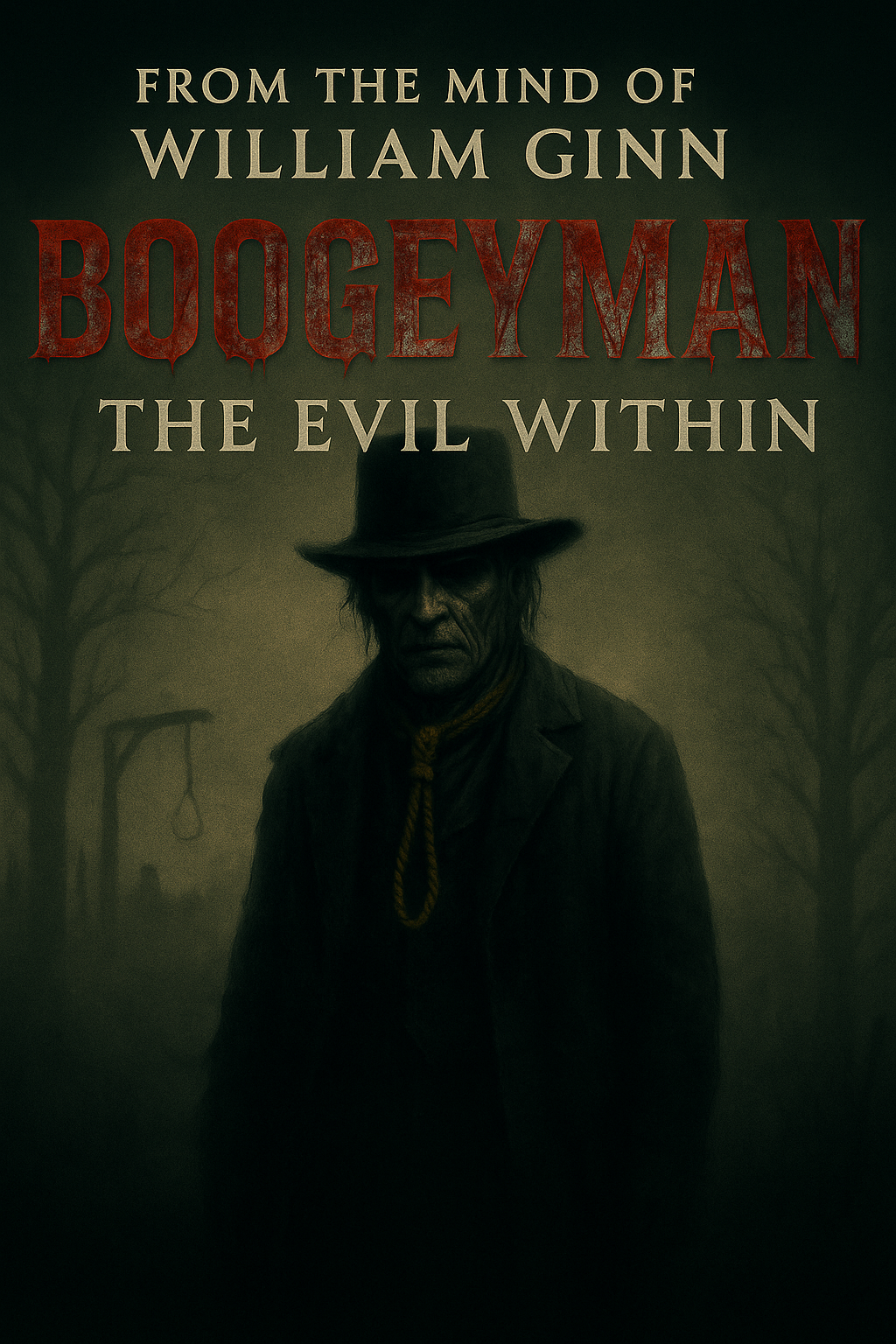
Boogeyman: The Evil Within
Releases February 7, 2026 • Psychological horror
A psychological nightmare rooted in historical persecution, where fear is not an event—it is a process.
It doesn’t just frighten. It destabilizes, turning certainty into doubt and doubt into collapse.
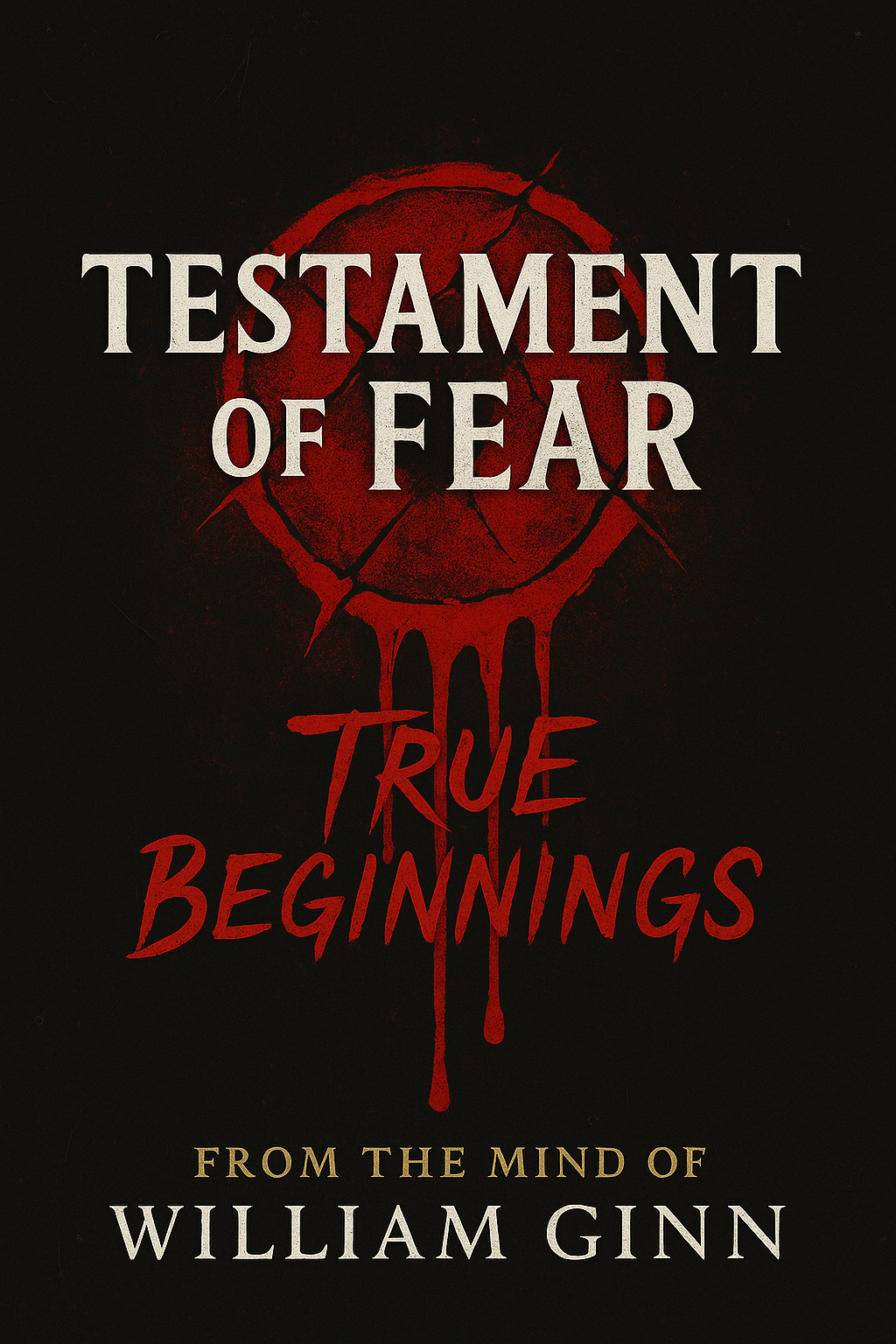
Testament of Fear
Releases September 11, 2026 • Psychological horror (first person)
Told entirely in the first person, Testament of Fear unfolds as a recorded account between an unnamed, ambiguous presence
and the journalist tasked with transcribing its history. Over a series of sessions, documentation becomes the conduit—until the record
begins to speak back, and observation becomes participation.
All who read are written.